Four Steps. No Mystery.
A repeatable rhythm we run on every project. Tight loops, written agreements, and timelines that survive contact with reality.
- 01 Lock In
- 02 Sketch
- 03 Ship
- 04 Iterate


Scoping the ground 01 / 04 · Day 0–1Lock In
We start with a call to understand the business, the audience and what success actually looks like. Everything agreed lands in a written brief — scope, timeline and what is explicitly out of scope — so nobody is guessing later.
You Get
- Kickoff call
- Written brief
- Agreed scope
- Timeline
 02 / 04 · Day 2–6
Sketch
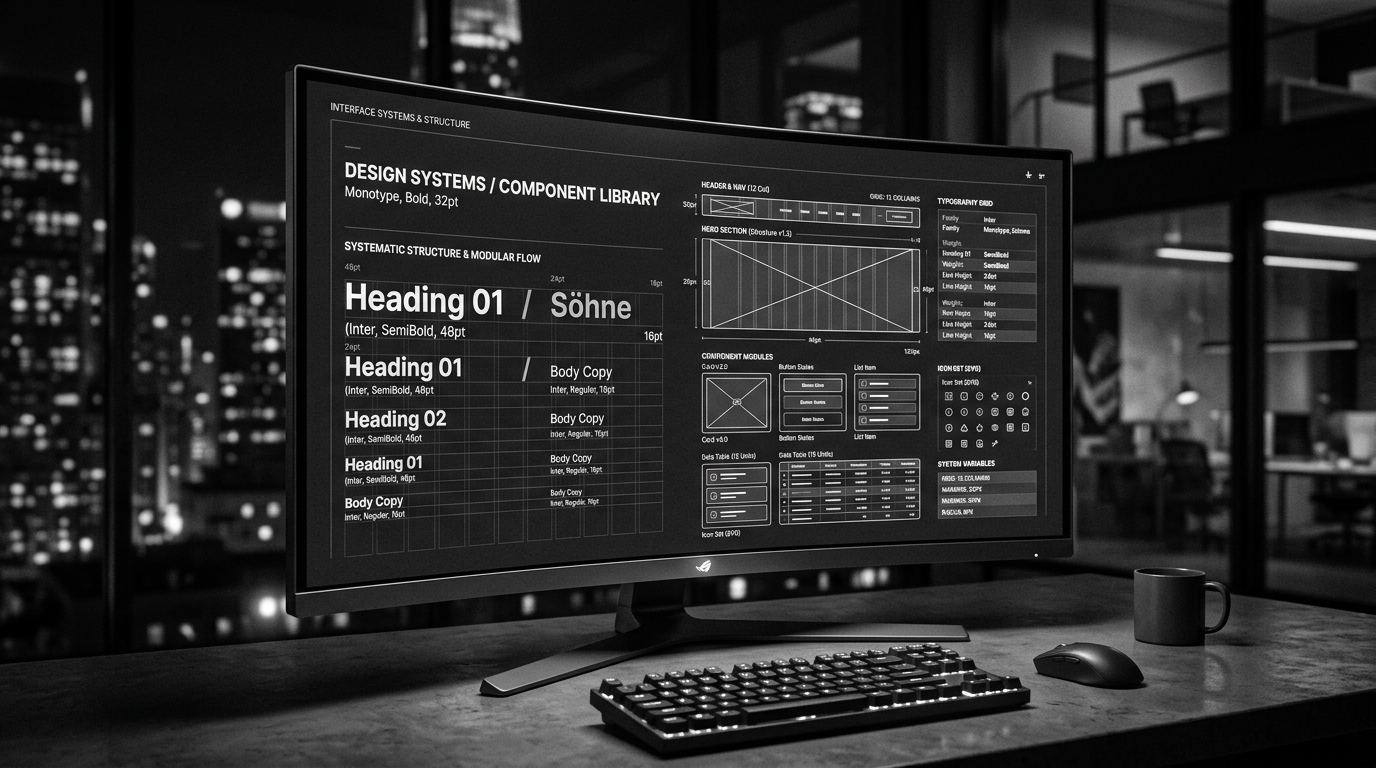
Structure before styling. Wireframes settle the flow, moodboards settle the direction, and a clickable Figma prototype lets you use the thing before it exists. Two feedback rounds are built into the schedule.
You Get
- Wireframes
- Moodboard
- Clickable prototype
- Two feedback rounds

The production build 03 / 04 · Day 7–14Ship
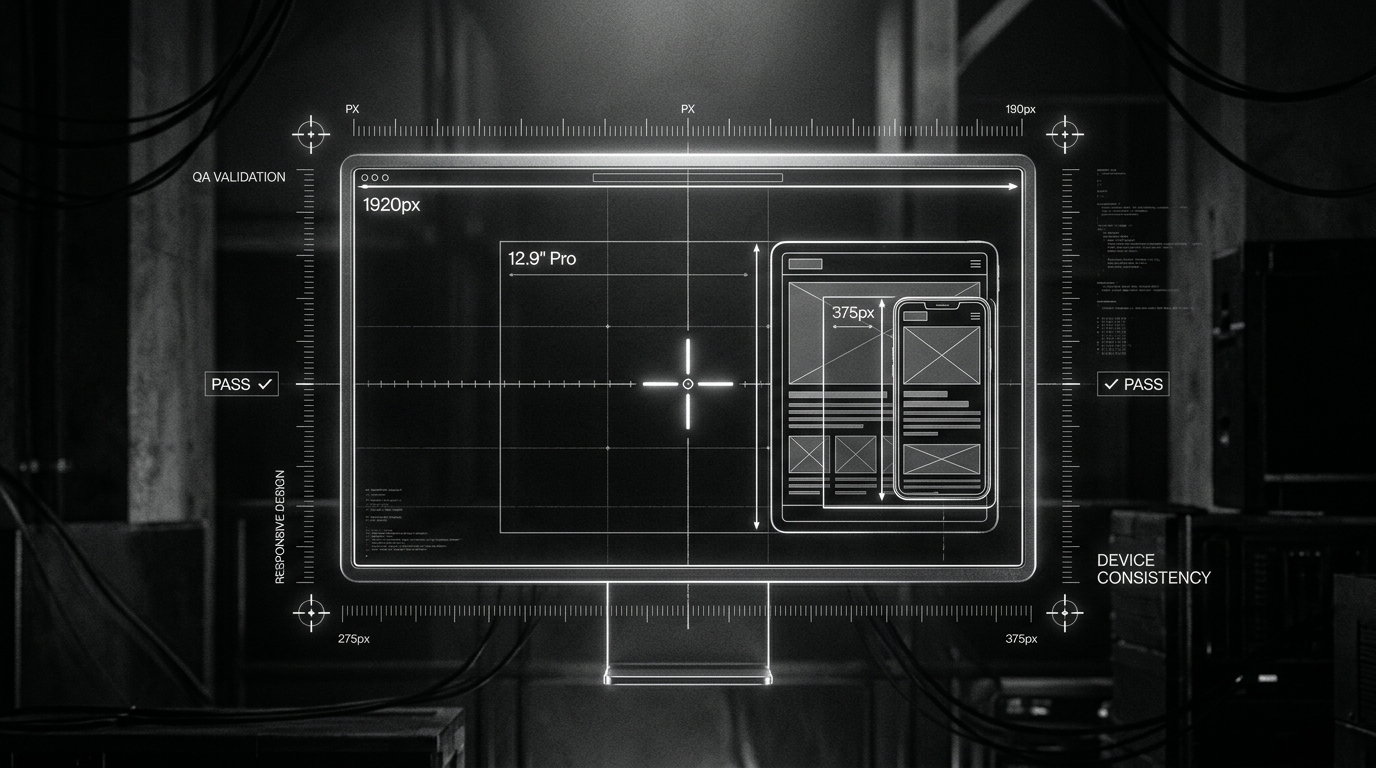
The production build, with your real content rather than placeholder text. Performance budgets and accessibility checks run as part of the build, not as a cleanup pass at the end, and you get a staging link to follow along.
You Get
- Production build
- Staging link
- Performance budget
- Accessibility check
 04 / 04 · Ongoing
Iterate
After launch we stay on: analytics reviewed against what we set out to do, copy and content tweaks as you learn what lands, and monitoring so regressions get caught before your users find them.
You Get
- Analytics review
- Content updates
- Monitoring
- Ongoing support
Timelines above are the shape of a typical build. Scope, content readiness and feedback turnaround move them — we agree the real dates in stage 01 and put them in writing.
Start At Step One.
Stage 01 is a call and a written brief. No commitment beyond an hour of your time.